
Shaping homes for health, independence and connection - Bristol 2026
Hosted at We The Curious in Bristol in March 2026, the conference brought together leaders in housing, health, and social care to explore the themes of health, independence, and connection.
The event encouraged delegates to look ahead with purpose, shaping the future of homes designed for ageing, community, and wellbeing. Drawing on the latest insights from the SHAPE Exchange programme, the conference provided a forward-looking platform to examine what it truly means to design and deliver housing that supports people to live well as they age.
We extend our sincere thanks to our sponsors, speakers, and delegates for making this event a success. Your collaboration and insights are helping to shape the future of health, housing, and community, ensuring inclusive, empowering spaces for people of all ages.
Below are just a few of the comments from those who joined us.
Speaker presentations
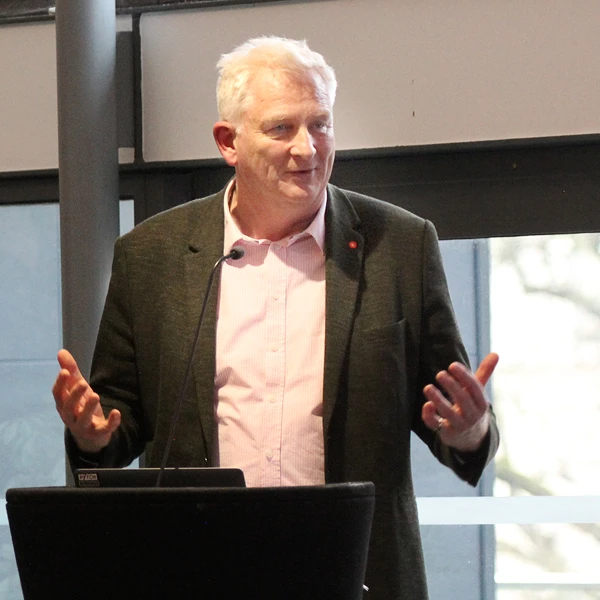
Jeremy Porteus, CEO, Housing LIN
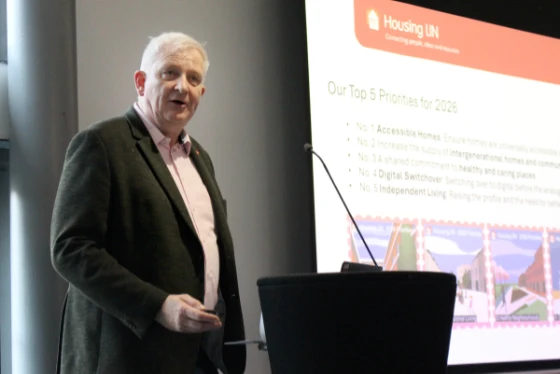
Jeremy opened the event by inviting delegates to look forward with purpose, shaping the future of housing for ageing populations, community and wellbeing.
He introduced the latest updates from the SHAPE Exchange programme and framed the conference as a forward-looking platform to explore what it truly means to design and deliver homes that enable people to live well as they age.
He outlined Housing LIN’s five priorities for 2026: accessible, inclusive homes; more intergenerational housing and communities; a shared commitment to healthy, caring places; a managed digital switchover ahead of analogue shutdown; and stronger supported housing options that promote independent living.
He also highlighted how the conference was an opportunity to capture progress on the Older People’s Housing Taskforce and Homes England Social and Affordable Housing funding, with the bidding round opening that day, as well as the APPG intergenerational inquiry report (recently launched at the House of Lords), HAPPI-TAPPI designs, and Appleby Blue's RIBA success showcase.
Links:
- Our Future Homes: Housing that promotes wellbeing and community for an ageing population
- APPG Inquiry report: Creating Intergenerational Communities
- Technology for our Ageing Population: Panel for Innovation' (TAPPI) project
- Housing our Ageing Population Panel for Innovation (HAPPI)
- United St Saviour’s Charity’s almshouse Appleby Blue wins Stirling Prize
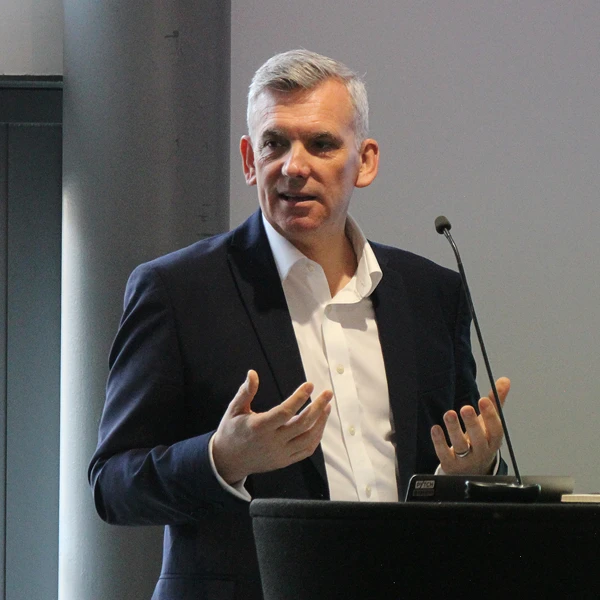
Ian Workman, Chief National Officer, Homes England
Our morning keynote speaker shared how Homes England’s new ten‑year Social and Affordable Homes Programme (SAHP) will invest at least £27.2 billion to boost delivery of social and affordable housing. For SAHP, specialist and supported housing for older, disabled and vulnerable people is categorised into three needs groups:
- homes for older people
- homes for working age disabled people
- homes for people with transitional support needs
Ian and his team encourage high‑quality design aligned with HAPPI, TAPPI and Healthy Homes principles. They are keen to see innovative approaches to delivering specialist and supported housing.
Links
- Slides: Social & Affordable Homes Programme and Specialist and Supported Housing, by Ian Workman, Chief National Officer, Homes England
- Read their capital funding guide for more information
- Housing our Ageing Population Panel for Innovation (HAPPI)
- Technology for our Ageing Population: Panel for Innovation
- Housing LIN Case Study: Abbeyfield’s HAPPI Regency Mews: Regenerating extra care housing in York
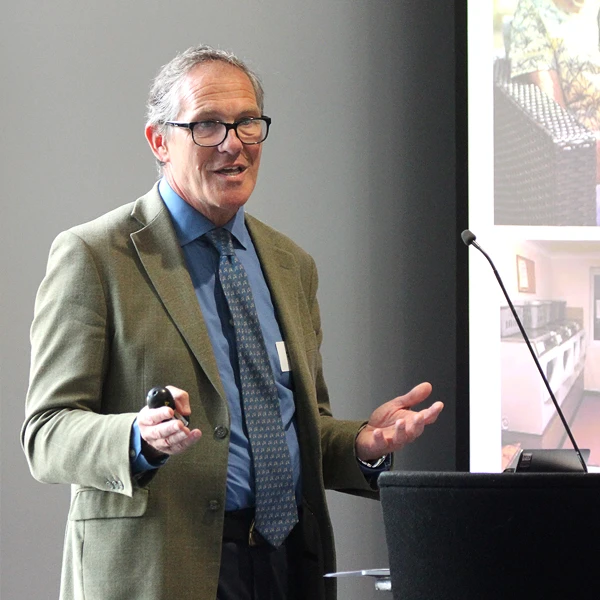
Bruce Moore, Chief Executive, Housing 21
Bruce’s presentation focused on how Housing 21 is helping to shape ageing futures built on dignity, choice and independence. He highlighted the role of resident-led communities and dementia-friendly design in empowering people to age well. He also referenced the updated Dementia-Friendly Housing Guide as part of this wider approach. This report guides housing organisations and professionals on improving wellbeing for people with dementia, offering practical actions for delivering dementia-friendly housing through design, management and adaptation.
Key takeaway: Putting people at the centre, through choice, control and inclusive design, enables more positive and empowering later living experiences.
Links:
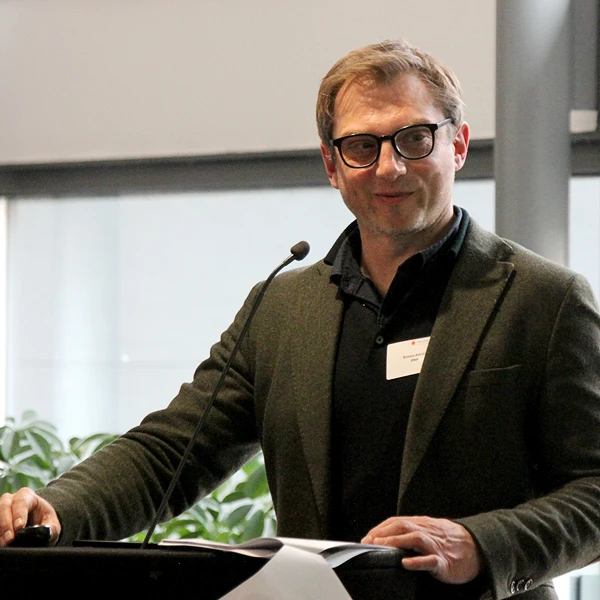
Simon Atkins, Director, PRP architects
Simon presented a journey through recent projects, showcasing how PRP is actively “Shaping Our Housing Futures”. He introduced their design approach, demonstrating how schemes respond to and anticipate the evolving needs of an ageing population.
Key takeaway: Forward-thinking, adaptable design is essential to meeting the changing demands of later life and creating housing that remains relevant into the future.
Links:
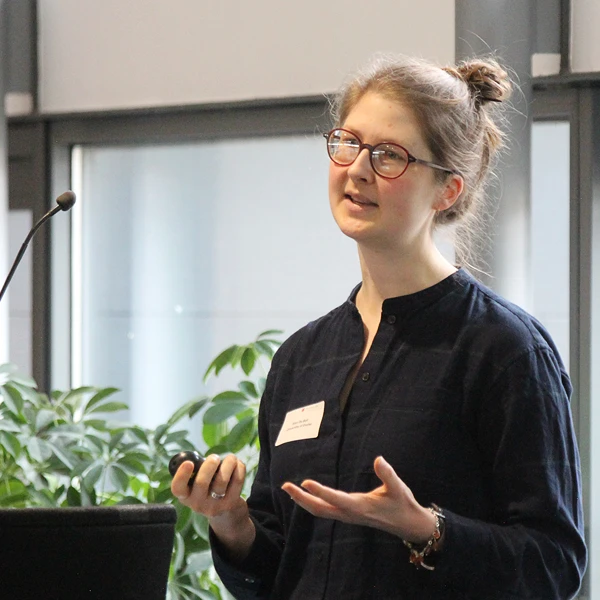
Sian De Bell, Research Fellow, University of Exeter - Extra Care Evaluation
Sian presented findings on extra care housing in the context of an ageing population, highlighting its role in supporting independence through self-contained homes, flexible care and shared facilities. Drawing on a large NIHR-commissioned evidence review, she explored what research tells us about resident experiences, outcomes, and costs, while identifying key gaps around definitions, diversity, and future care needs.
Key takeaway: Extra care housing has clear benefits, but stronger evidence, clearer standards and better-informed design and practice are needed to ensure it can meet growing and more complex demand.
Links:
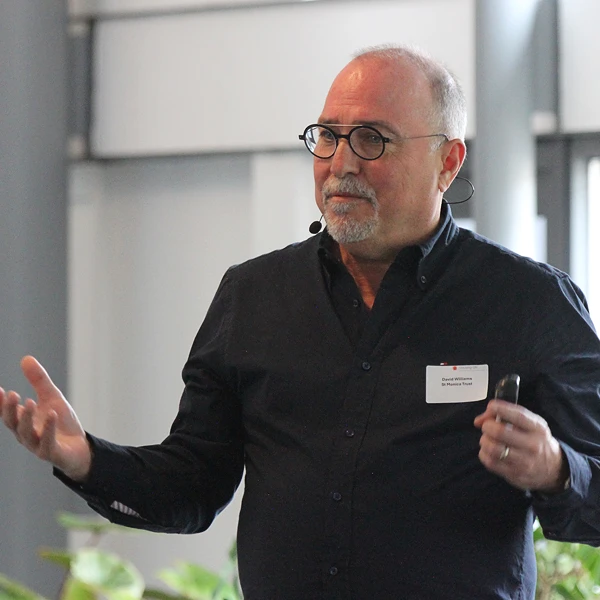
David Williams, Chief Executive, St Monica Trust
David’s presentation explored the DNA of a flourishing community, highlighting three core elements: contribution, choice, and connection. He discussed the value of multi-generational housing communities, noting that this arrangement has been common across many cultures historically and globally, but is often lost in Western societies due to priorities around privacy, security and financial structures that separate older people. He referenced St Monica Trust’s development of The Chocolate Quarter, the world’s first open retirement village in Keynsham, and how it was shaped through 250+ focus groups to understand community needs.
Key takeaway: Placing older people at the heart of community design means intentionally shaping housing, services, and shared spaces so they are not isolated, but instead integrated into everyday community life with opportunities for connection, independence and contribution.
Links:
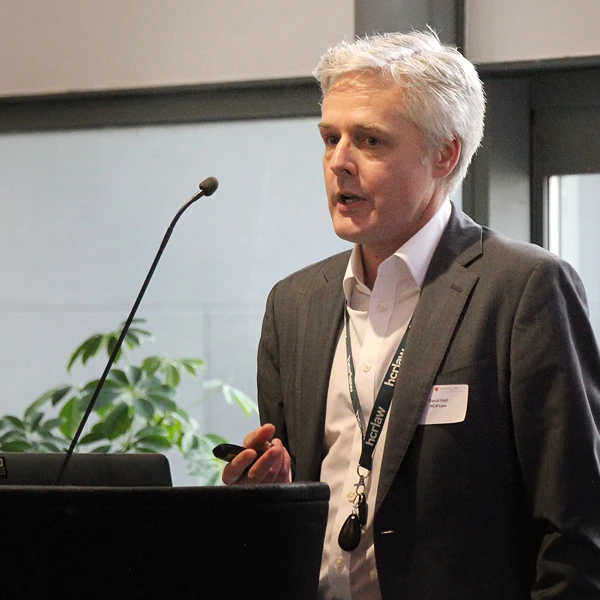
David Hall, Partner, HCR Law
Older people want to choose where they live and stay independent, so digital technology and data must move with them. This brings legal risks that can be managed through smart procurement, strong contracts and licences, and careful use of high risk tools such as “pocket IT” and AI with clear guardrails.
To build collaborative support and care pathways aligned with the NHS 10 Year Plan, technology and data must also flow across organisations and sector boundaries. Despite headwinds, progress is possible, such as through local, bite sized initiatives, shared hosting, service pathway apps, and using consultation to surface and address risks.
Key takeaway: When innovating, lock down ownership, maintenance, total cost, security, resilience and user risk from day one.
Links:
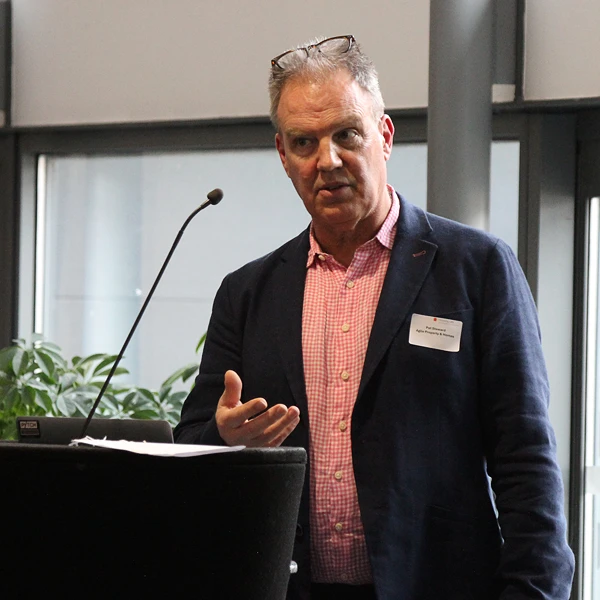
Pat Steward, Head of Opportunity, Agile Homes
Pat presented Agile Home’s new model for Specialised Supported Housing (SSH), aimed at delivering better homes, improved outcomes, lower costs for local authorities and environmental benefits. He highlighted Bristol City Council’s challenge, with over 500 people needing housing and care solutions amid rising demand and constrained budgets. Although Bristol is recognised as a leader in housing innovation, seeking more cost-effective, SSH-focused delivery aligned with the Supported Housing Delivery Plan (2024–2029). Pat stressed the importance of partnership working, noting that no single organisation can solve it alone and described simplification efforts including single institutional funding, Community Benefit Society model and a person-centred, needs-led approach.
Key takeaway: Effective SSH requires joined-up partnerships and simplified delivery models that prioritise individual needs while improving efficiency, independence, and long-term sustainability.
Links:
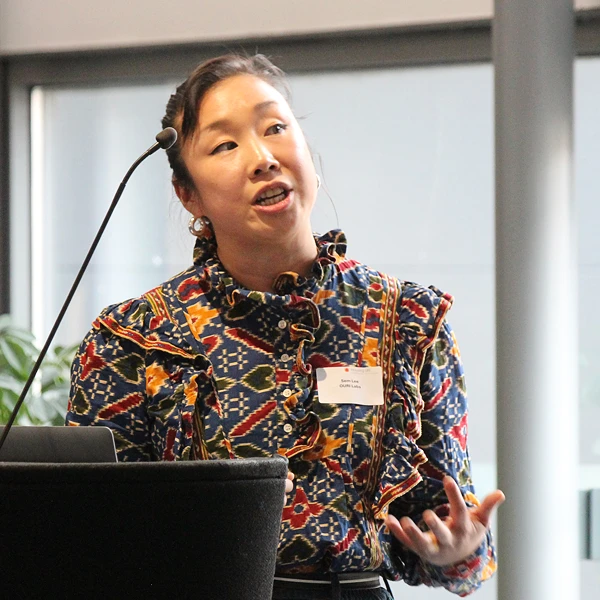
Sem Lee, Founder, OURI Labs
Sem presented on the opportunity to use NHS surplus sites to improve community health through community-led development. She argued that land could deliver affordable, place-based housing that strengthens neighbourhoods and prevents illness by addressing upstream determinants of health. While evidence shows benefits such as improved mental health, reduced isolation and stronger communities, NHS Trusts are under pressure to maximise capital receipts and face governance barriers to alternative uses. She introduced a Phase 1 OURI Labs and Social Life research project to co-design tools for releasing NHS land and building evidence for broader value.
Key takeaway: NHS surplus land could significantly improve public health if supported by better evidence, clearer tools and a shift toward valuing long-term community outcomes alongside financial returns.
Links:
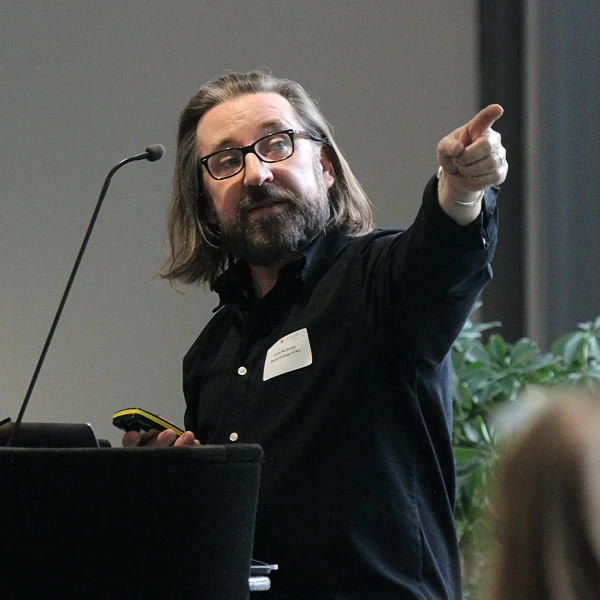
Dr Chris McGinley, Senior Research Fellow, Helen Hamlyn Centre for Design (HHCD), based in the Royal College of Art (RCA), and Lynn Lewis, Director of Independent Living, Guinness Partnership
Chris presented the Connector project, funded by the Vivensa Foundation and developed with the Helen Hamlyn Centre for Design and residents of the Guinness Partnership. The project explored how older adults can live well in homes and communities that support physical, social and digital wellbeing through inclusive co-design. Through workshops with residents and Royal College of Art students, it addressed loneliness, digital exclusion and community participation, producing ten resident-led “design futures.” The work emphasises connectivity as the relationship between people, place and technology.
Key takeaway: Meaningful connection in later life is best achieved through inclusive co-design that brings together residents, designers and technology to create adaptable communities supporting independence, participation and wellbeing.
Links:
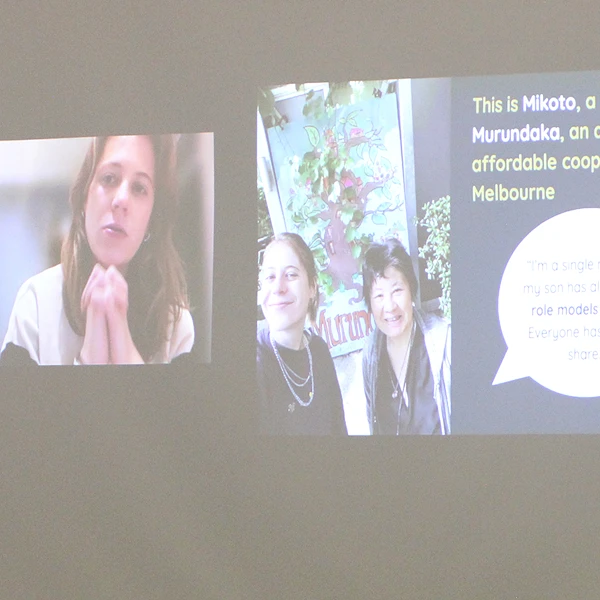
Savannah Fishel, Intergenerational & Communal Housing Researcher
Savannah presented insights from her Churchill Fellowship on intergenerational and communal housing, drawing on 54 community-led models across the US and Australia. She contrasted these with mainstream housing designed around nuclear families, which can contribute to isolation and loneliness. She highlighted approaches such as cohousing, cooperatives and ecovillages that intentionally build relationships and shared care, and introduced “neighbourisms” as everyday acts of informal support that strengthen communities. She argued housing should be seen as social infrastructure that enables connection, prevention and wellbeing.
Key takeaway: Designing housing around relationships rather than isolation creates more connected, supportive communities that improve wellbeing across generations.
Links:
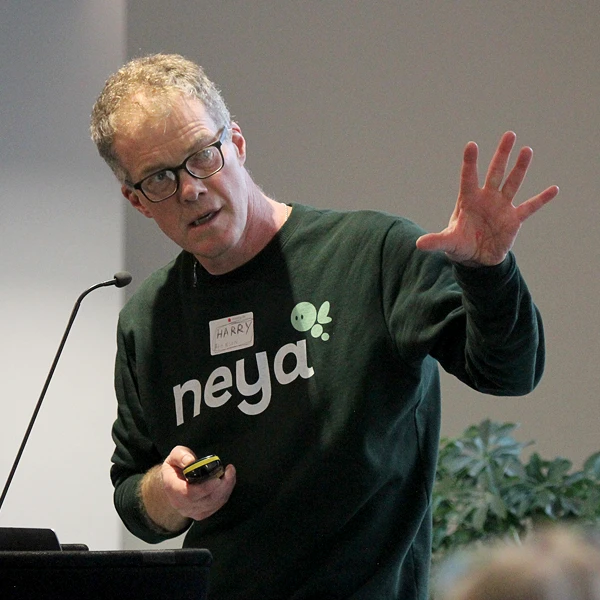
Harry Hobson, co-founder of Neya and Director of Neighbourly Lab
Harry presented on “the magic of joined-up neighbours,” introducing Neighbourly Lab and Neya. He highlighted rising loneliness, financial strain and low community trust, particularly in social housing. While many interventions exist, he argued the most important factor is neighbours being connected, aware and engaged. Neighbourly Lab focuses on strengthening social infrastructure to improve resilience and wellbeing.
Key takeaway: the strongest communities aren’t built just on services, but on neighbours who are connected, informed and actively support one another.
Links:
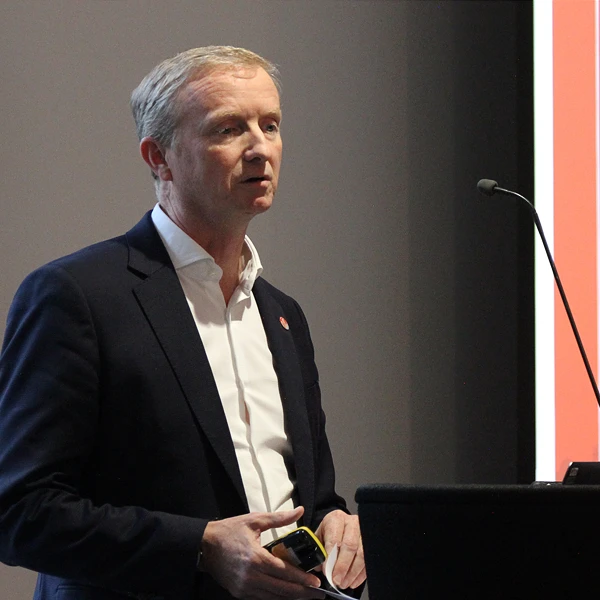
Nick Hibberd, CEO, Bristol City Council
Nick presented on Bristol’s housing system and Adult Social Care for working-age adults, highlighting how unsuitable homes drive higher costs and crises, while the right homes support stability and independence. He critiqued the current private, provider-led model where housing and care are bundled, limiting public control. He advocated for commissioned, Registered Provider-delivered specialised housing to improve quality, design and affordability. Using The Haven as a case study, he showed how co-produced, specialist housing can better meet needs. He emphasised the role of housing in wider public service reform and neighbourhood health.
Key takeaway: good housing is central to prevention. Well-designed, publicly shaped homes can reduce crisis demand, support independence, and improve long-term health and neighbourhood outcomes.
Links:
Headline sponsors





Affiliate sponsors