
An international perspective on age-friendly cities and communities – lessons from the San Sebastián conference
Several months after participating in the 3rd International Conference on Age-Friendly Cities and Communities in San Sebastián, Spain, some of its conversations have stayed with me. Distance has brought a broader question into focus: are we designing age-friendly places, or creating the conditions for people to genuinely choose where and how they want to age?
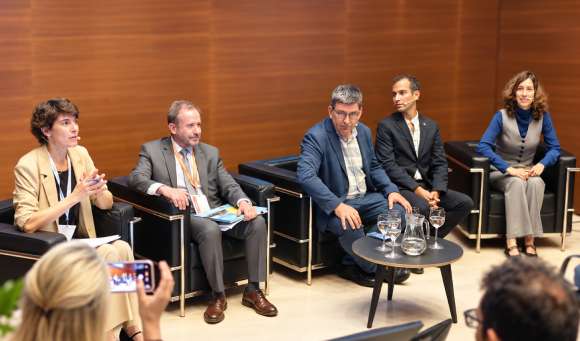
I participated in a roundtable on the challenges and opportunities of intergenerational housing in Spain. It reinforced my conviction that housing cannot be considered in isolation. A home is part of a wider ecosystem encompassing the neighbourhood, public space, social networks, health and care services.
This matters when we consider an aspiration shared by many people: to remain at home as they age. Perhaps our first question should not be what new forms of specialist housing we can create, but what needs to change to make remaining at home a realistic choice for longer.
Intergenerational housing, senior living and residential care all have important roles to play. Diversity is essential: there will never be one solution for everyone. But meaningful choice also requires accessible homes and neighbourhoods, community connections and integrated health and social care services that adapt as people's needs change.
It also requires empowerment. Alongside what governments and service providers can deliver, we should consider how individuals and families can better anticipate later life: understanding housing options, developing financial literacy, planning for future care needs and making informed decisions before a crisis determines those decisions for them.
This demands long-term thinking. In Spain, as in many other countries, housing strategies often operate within relatively short policy cycles, while housing, demographic change and care are structural challenges spanning decades. Different governance, housing and care systems require locally adapted responses, but the underlying challenge is widely shared.
The international experiences in San Sebastián made both these differences and common challenges visible. There is no universal model to replicate. Instead, innovation and good design should respond to local realities while enabling us to learn from good practices developed elsewhere.
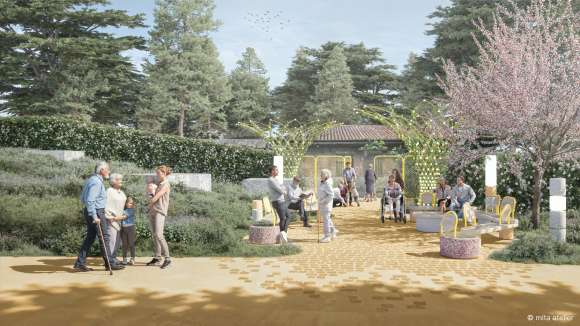
Perhaps the next step for the age-friendly movement is to move beyond designing for older people towards creating the conditions for people to shape their own later lives — including those experiencing frailty, cognitive impairment or increasing care needs.
Ultimately, the most age-friendly community may be one that does not prescribe where we should grow old, but gives us the support, environments and freedom to decide for ourselves.
If you found this of interest, read a previous guest Housing LIN guest blog by Elisa at: Sketches from Spain: Finding inspiration on informal care community networks
And check out some of her research at:
Environments for Older People: Meeting and wellness places for older people (opens new window)
Comments
Add your comment