

This Guinness Partnership and Royal College of Art’s Helen Hamlyn Centre for Design project sought to develop collaborative approaches to create meaningful connections in later life.
Funded as part of the Vivensa Foundation’s Creating Suitable Living Environments and Communities for an Ageing Population initiative, it explored how people of all ages, especially older adults, can live in homes that support their physical, social and digital needs, enabling them to stay connected and thrive. It emphasised designing to meet older people’s needs by involving them directly in design research.
Working with residents across three Guinness Partnership housing sites, the project used inclusive co-design methods to develop ‘Community Connectivity’ concepts to inform future design interventions and research practices.
vivensafoundation.org.uk (opens new window)
The Connector Co-designing for Late Life Connection
Redefining Community Connectivity for Later Life in the UK
Insights from the project revealed that community connections are shaped by the relationship between people, place and technology.
It highlighted the need for designers and policymakers to support meaningful connections that enhance older adults’ quality of life, combating loneliness, addressing digital exclusion, and enabling active participation in local communities that sustain social networks.
Approaches could include social prescribing linking healthcare and community activities, intergenerational housing, or age-inclusive technology that facilitates natural daily connections.
What we found
Further insights from the Guinness resident workshops with Royal College of Art (RCA) students drew out a selection of themes. Developing and sharing their ideas, they included:
Intergenerational Living: Residents valued of local groups and events in encouraging connection across ages and abilities, and highlighted inclusive spaces that bring people of all ages together, and create a shared sense of belonging in the community.
“They have some school children come in there to interact with the residents, which is a nice thing.”
Technology: Views on technology varied widely. Some residents, with support, gained confidence using digital tools and were open to innovative solutions, such as ‘companion robots’. Others expressed frustration and a sense of exclusion. These contrasting experiences underscored the need for better access and tailored digital support.
“I’d like to be included. I’d welcome any tech to help my own situation and if I enjoyed using it”
Social connectivity and interaction: Many described small “check-ins” and group activities as part of everyday life, especially to overcome loneliness and isolation.
“I’ve organised a knit and natter group – and there are about 12-14 of us who get together, and we have a really, really good time.”
Thinking about future Community Connectivity in Later Life
Connection Hubs
A contemporary library space where curiosity thrives through engaging visuals, signage and community-led sessions.
Intergenerational exchange is encouraged via hands-on learning, shared activities and observation-first participation, creating a space where young and old can connect, explore traditional knowledge and engage casually while building meaningful community bonds.
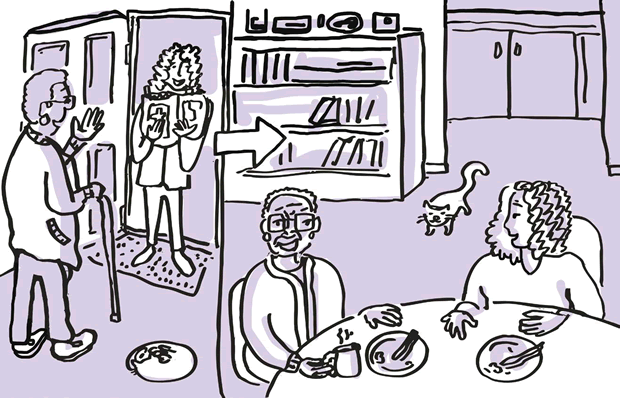
Bartering of Microservice
Small acts of care foster mutual support and lasting intergenerational bonds through relaxed, interest-driven interactions. Gentle tech prompts, notice boards and casual spaces encourage spontaneous participation, reframing support as reciprocal rather than obligatory, enabling meaningful contribution and valuing everyone’s time while strengthening community relationships.
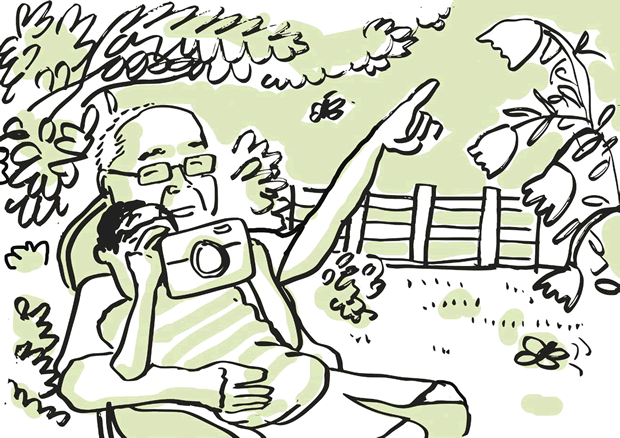
Nature & Tech Connect
Intergenerational connections are nurtured through nature-inspired learning, collaborative storytelling and intuitive digital tools. Spaces encourage shared teaching, joint exploration and creative self-expression, inspiring curiosity about plants, wildlife and technology, while facilitating emotional support, lifelong learning and collaborative discovery across generations.
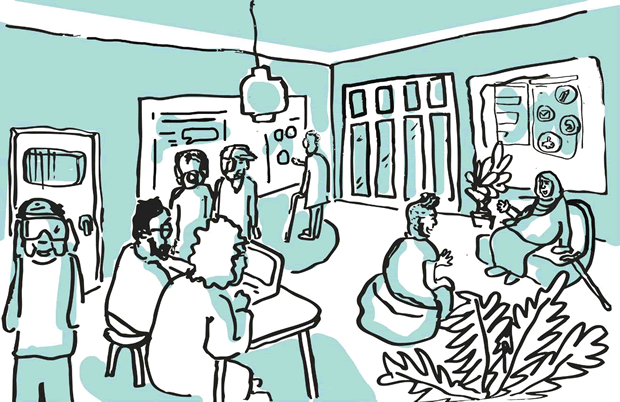
Community Learning with Technology
Accessible digital tools and gamified experiences empower older learners, building confidence and curiosity. Spaces support dual teaching and learning, promote collaboration and enable ongoing engagement. Intergenerational mentorship reshapes perspectives on ageing and technology, creating lifelong learning, social connection and meaningful participation in a rapidly evolving digital world.
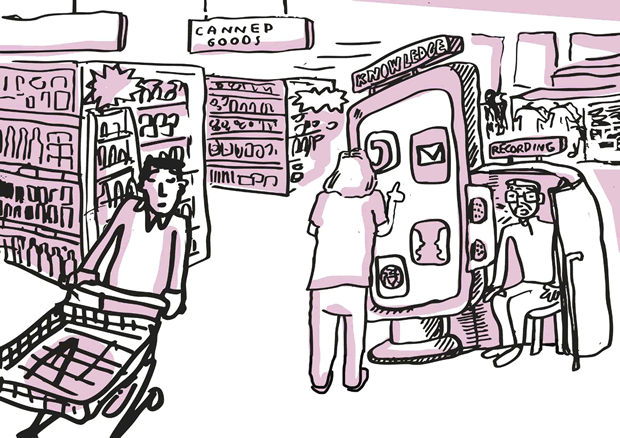
Knowledge Kiosk
Public kiosks showcase older adults’ local wisdom, enabling knowledge-sharing across generations in familiar, accessible spaces. Users choose how to engage, ensuring respect and inclusivity. These interactive platforms embed learning in everyday life, celebrate lived experiences and create community pride, connection and meaningful exchange between young and old alike.
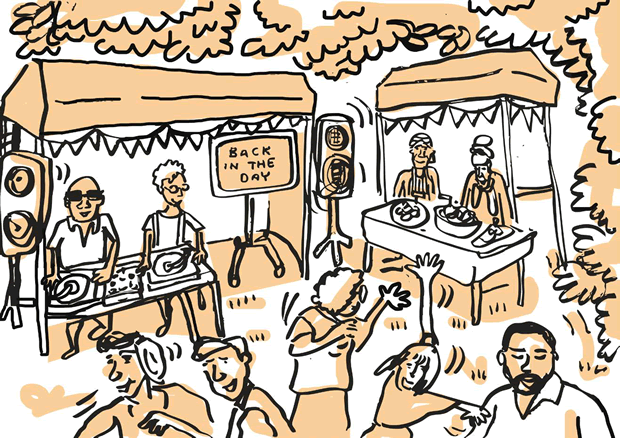
Generations Fest
Music, film and food celebrate intergenerational connections by sparking memories and cultural storytelling. Retro screenings, shared meals and playful activities invite joy, dialogue and mutual learning, blending education and entertainment. Participants engage in cultural history, express creativity and strengthen community bonds while sharing experiences across generations.
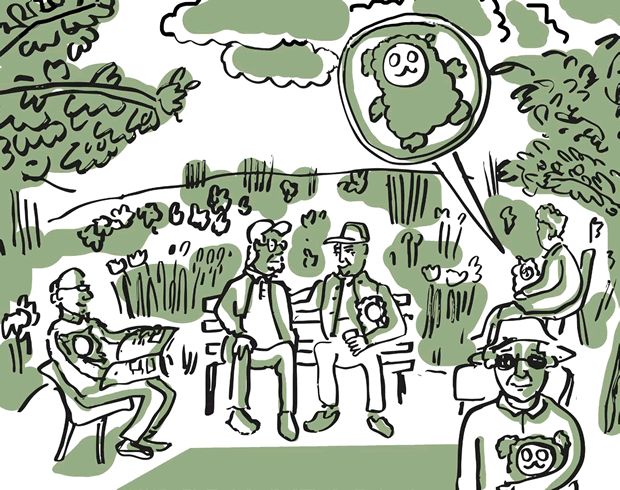
Companion Pods
Soft, colour-changing robots communicate mood and social preferences, providing nonverbal, tactile cues to facilitate mindful interaction. Accessible and inviting, they support inclusivity, emotional expression and social comfort, allowing individuals to navigate communal spaces confidently while promoting understanding and respect for diverse needs and social availability.
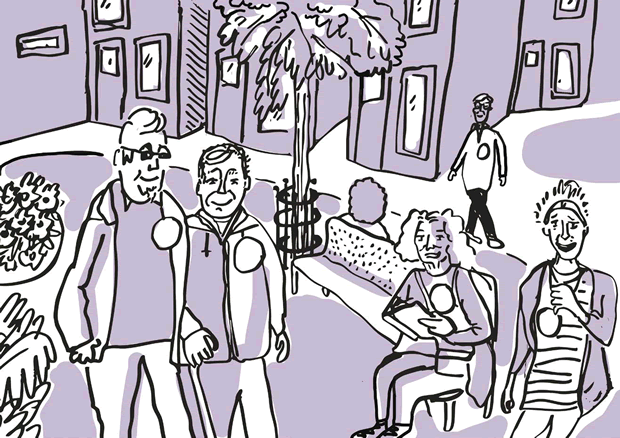
Mingling Pins
Wearable badges display interests, encouraging organic conversation and meaningful social interaction. These non-digital tools spark engagement, especially in small spaces, break social barriers and encourage inclusivity for older adults. By facilitating spontaneous in-person connections, ‘Mingling Pins’ build community, shared understanding and relationships through playful, interest-driven engagement.
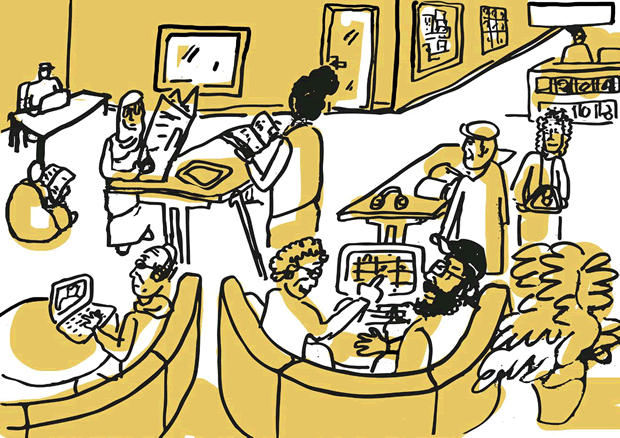
Harmonious Space
Multi-functional environments balance privacy and social connection, supporting autonomy while accommodating diverse needs. Ergonomic and accessible, spaces adapt for solitude, interaction, caregiving and work. Users engage at their own pace and comfort, fostering inclusivity, meaningful engagement and connection while enabling flexible, supportive environments for intergenerational and diverse community activities.
And designing further into the future...
Community 2030
Peer-to-peer digital learning with wearable assistive devices empowers older adults to mentor peers and bridge the digital divide. User-friendly technology builds confidence, encourages collaboration and encourages mutual support. Inclusive, non-judgmental spaces promote lifelong learning, strengthen intergenerational connections and cultivate a community where older adults lead, teach and share expertise.
Conclusions
The above 10 user-led ‘design futures’ present visions of potential future connectivity. They are not intended to be definitive or universally prescriptive, but serve as a source of inspiration and practical guidance for designers, service providers, support staff and policymakers seeking to build more connected, inclusive and supportive living environments.
The record of the programme outlined in this Inspirational Achievement is intended to build awareness and help inform future design approaches and practice. While no single solution can address every individual’s needs, the principles underpinning this work advocate for adaptable, negotiable combinations of space, service and technology that respond to people’s lived experiences and aspirations.
Acknowledgements
We are grateful to the Royal College of Art and the original authors for granting permission to use the material and illustrations from The Connector.

First published by the Helen Hamlyn Centre for Design (opens new window), Royal College of Art.

We are also grateful to The Guinness Partnership (opens new window) for supporting the Housing LIN’s annual conferences and the dedicated pages on housing for people living with dementia.
The Connector will also feature at the Housing LIN conference, Shaping homes for health, independence and connection in Bristol, on 12 March 2026. Register for your FREE place.
Follow #InspirationalAchievement on Bluesky (opens new window) and LinkedIn (opens new window)
View all Inspirational Achievements.